Rappelling
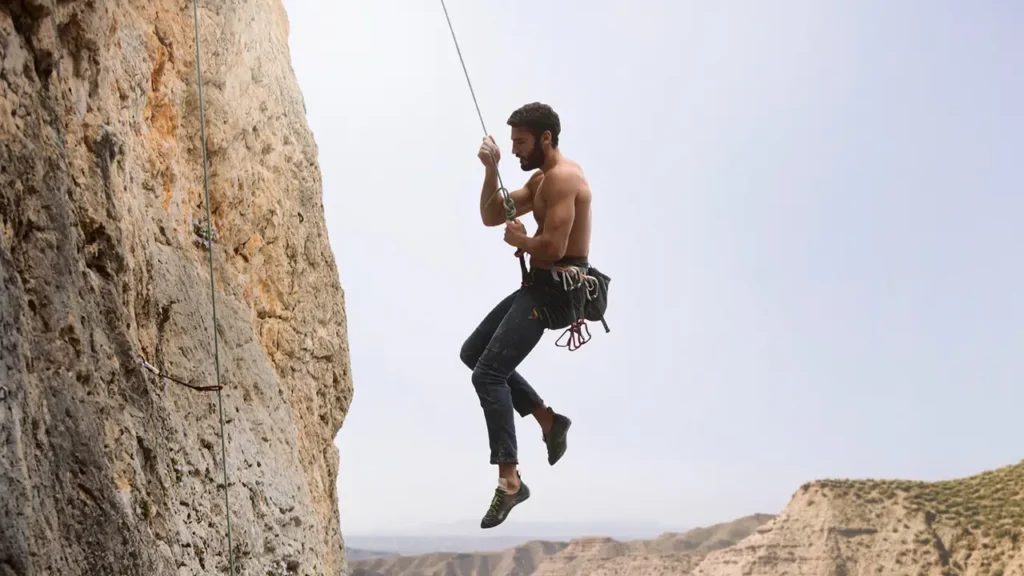
Rappelling, or abseiling, is the thrilling skill of making a controlled descent down a vertical or near-vertical surface using a rope and specialized equipment. It’s a fundamental technique in climbing and mountaineering for returning from a summit or accessing otherwise unreachable terrain. For us at Himalayan Backcountry Adventures, it’s more than just a descent; it’s a standalone adventure that builds confidence, trust, and offers an exhilarating new perspective of the Himalayas.
📋 Key Points at a Glance
| Feature | Details for Himalayan Backcountry Adventures |
|---|---|
| Season | April to December |
| Activity Type | Summer Adventure Activity |
| Core Skill | Controlled descent from rock walls, ice faces, or overhangs |
| Primary Use | Essential mountaineering skill and a thrilling standalone adventure |
| Our Promise | Safe, professional instruction in pristine Himalayan locations |
🧭 How Rappelling Works: The Basics
Rappelling works by using friction to control gravity’s pull. A climber is securely attached to a rope, which is anchored at the top of the descent. The rope is threaded through a friction device (like a belay device) on the climber’s harness. By adjusting the grip on the rope below the device, the climber increases or decreases friction, allowing them to lower themselves at a steady, controlled pace.
Its applications are diverse in the mountains:
-
Essential Return: Getting down from a climb when walking off isn’t an option.
-
Route Access: Reaching the base of a climb, like a remote cliff or ice wall.
-
Adventure & Rescue: As a thrilling activity itself and a crucial technique for mountain rescue scenarios.
🧰 Essential Rappelling Equipment
Safety is paramount, and the right gear is non-negotiable. Here’s what we use and recommend:
-
Climbing Harness: Secures you to the rope. We provide robust, comfortable harnesses for all sizes.
-
Helmet: Protects your head from falling debris and bumps against the rock. Always worn on our trips.
-
Rope: We use high-strength, static ropes ideal for smooth, controlled descents.
-
Friction Device (Belay Device): The control center of your descent. We primarily use tubular devices like ATCs or figure-8 devices, chosen for reliability and ease of use.
-
Locking Carabiners: Connect the friction device to your harness. We use screw-gate carabiners for maximum security.
-
Gloves: Protect your hands from rope burn, especially during longer descents.
-
Anchor Gear: We use slings, cords, and carabiners to create redundant, “bombproof” anchor systems at the top of every rappel, following strict safety protocols.
📝 Our Rappelling Technique & Safety Protocol
Learning correct technique is the foundation of a safe and enjoyable experience. Our certified guides will walk you through every step:
-
Gear Check & Anchor Setup: Before anything else, we meticulously check all personal and group gear. Our guides then construct a secure, redundant anchor system.
-
Harnessing & Connection: You’ll be fitted with a harness and helmet. The guide will connect your friction device to the rope and your harness.
-
Safety Backup – The “Autoblock”: We always use a backup friction hitch (like an Autoblock or Prusik) attached to your harness. This acts as a failsafe brake in case you lose control.
-
The Controlled Descent: You’ll learn to lean back into the harness, walk backwards, and use your brake hand to feed rope smoothly. The goal is a steady, bounce-free descent.
-
Communication: Clear calls like “On Rappel!” and “Off Rappel!” are used throughout.
Critical Safety Rules We Enforce:
-
Stopper Knots: We always tie knots at the end of the ropes to prevent the terrifying accident of rappelling off the end.
-
Backup Systems: No one rappels without a friction-hitch backup.
-
The “Fireman’s Belay”: Whenever possible, a guide at the bottom holds the rope ends and can instantly lock the system by pulling down if needed.
-
Continuous Inspection: We constantly check for rope damage, anchor integrity, and sharp edges that could cut the rope.
⚠️ Common Challenges & How We Mitigate Them
Even with the best training, challenges can arise. Our guides are trained to prevent and manage them:
| Challenge | Risk | Our Mitigation Strategy |
|---|---|---|
| Loss of Control | Panic, rope burn, fall. | Progressive training, constant guide supervision, and use of the Autoblock backup. |
| Rope Getting Stuck | Stranded mid-descent. | Proper rope management, using rope protectors over edges, and guide-assisted retrievals. |
| Incorrect Anchor | Anchor failure. | Guides build all anchors using redundant, SRENE (Strong, Redundant, Equalized, No Extension) principles. |
| Getting Stranded | Misjudging rope length. | We always use ropes double the length of the descent and perform pre-rappel visual checks. |
🧠 Why Learn Rappelling with Himalayan Backcountry Adventures?
-
Gateway to Greater Adventures: This skill unlocks more advanced climbing, mountaineering, canyoning, and ice-climbing expeditions.
-
Confidence & Trust: Overcoming the instinct to step backwards off an edge builds immense personal confidence and trust in your equipment and team.
-
Unique Himalayan Access: Experience waterfalls, hidden cliffs, and majestic ice faces that few ever get to see up close.
-
Expert-Led Safety: Learn from our certified professionals. We emphasize that rappelling has serious risks, and proper instruction is not optional—it’s essential.
Make an inquiry
Submit your details to get all details about this activity. We will also update you regarding best time to visit and best price we can offer.
Related Acitvities