Bouldering
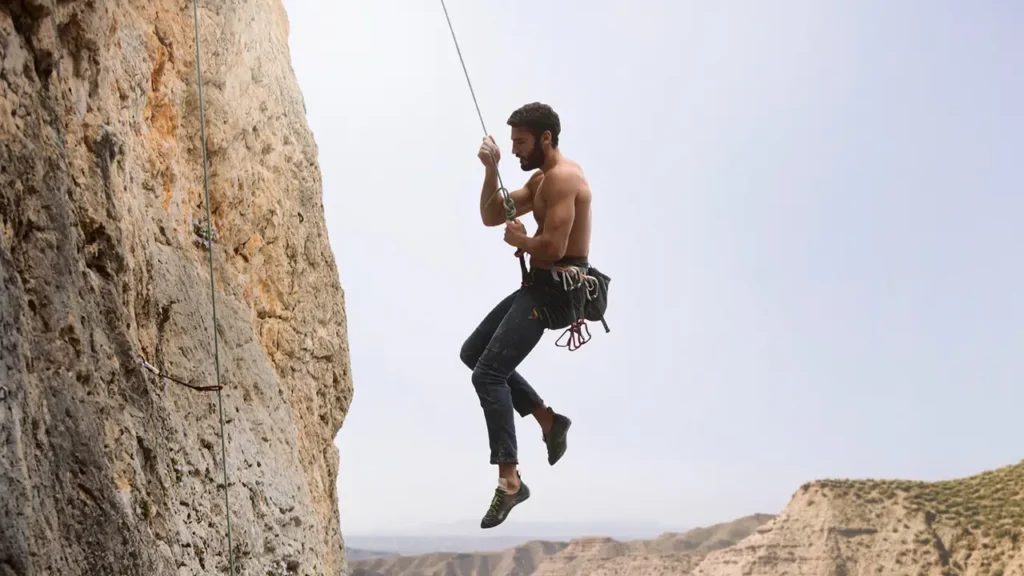
Bouldering is a dynamic form of rock climbing performed without ropes or harnesses at low heights, where climbers use shoes and crash pads for safety. It focuses on powerful, technical moves over short pitches using natural holds, making it accessible as a sport, a professional discipline, or for physical fitness. In Manali, it offers an exhilarating way to develop climbing skills in the stunning Himalayan landscape.
| Feature | Details |
|---|---|
| Discipline | Free climbing on short rock formations without ropes. |
| Core Appeal | Technical problem-solving, power, and skill development. |
| Safety Equipment | Climbing shoes, crash pads, and spotters. |
| Our Locations | 4 dedicated sites around Manali with routes from beginner to advanced. |
| Skill Development | Builds strength, technique, and mental focus for all climbing disciplines. |
| Best Season in Manali | April to June & September to November/December. (Chandra Valley season: July to October). |
🔍 What is Bouldering? More Than Just Climbing
Bouldering is rock climbing distilled to its purest form. It involves climbing short but often technically demanding routes, known as “problems,” on large boulders or low rock faces.
-
Technical & Mental Focus: The challenge lies in solving the sequence of moves required to complete a problem. It develops power, balance, technique, and mental perseverance.
-
Accessibility & Community: Without the need for extensive rope systems, bouldering is highly social. It encourages groups to work together on problems, share techniques, and spot each other.
-
Foundation for Mountaineering: The skills honed in bouldering—such as grip strength, body positioning, and reading rock features—are directly transferable and invaluable for all other forms of climbing and mountaineering.
⚠️ Safety First: The Bouldering Mindset
While performed close to the ground, bouldering carries inherent risk as all falls are ground falls. Personal responsibility and proper safety practices are paramount.
Essential Safety Practices
-
Learn to Fall: Practice falling correctly. Land on your feet with knees bent, and try to roll onto your back. Never try to break a fall with your hands or arms.
-
Use a Crash Pad: Always position a foam crash pad beneath you and the boulder problem’s crux (hardest move). Ensure pads overlap and lie flat.
-
Employ a Spotter: For difficult or risky moves, use a spotter. Their job is not to catch you, but to guide your torso and protect your head and neck from an awkward impact onto the pad.
-
Clear the Landing Zone: Before you start, check that the fall zone is free of people, bags, water bottles, or tripping hazards.
🗺️ Bouldering with Himalayan Backcountry Adventures in Manali
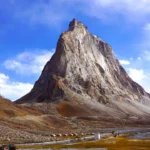
The area around Manali, with its predominantly gneiss and granite rock, offers a world-class and varied bouldering experience with stunning alpine backdrops.
Our Prime Bouldering Sites
We have access to four developed sites around Manali, offering a spectrum of challenges:
-
For Beginners: Gentle slabs and problems with positive holds to build confidence.
-
For Intermediate Climbers: Steeper terrain featuring technical face climbing, cracks, and overhangs.
-
For Advanced Climbers: Powerful problems on steep overhangs, requiring advanced techniques like compression moves on slopers and small crimps.
Beyond Manali: The Chandra Valley
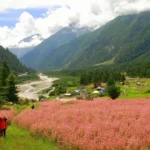
For a unique wilderness experience, we can arrange trips across the Rohtang Pass into the Chandra Valley. Lying in a rain-shadow region, its bouldering season is during the monsoon (mid-July to mid-October). This high-altitude (3,400m-3,800m) area features hundreds of technical problems on granite amidst a spectacular, remote landscape.
👣 Getting Started: Courses & Progression
We make it easy and safe to start your bouldering journey or to take your skills to the next level.
Our 5 to 7-Day “Learn to Boulder” Course
This comprehensive course is designed to create safe, autonomous climbers. You will learn:
-
Fundamental Techniques: Footwork, body positioning, and basic moves.
-
Safety Protocols: Proper use of crash pads, spotting, and falling techniques.
-
Problem-Solving: How to “read” a boulder and plan your sequence.
-
Basic Terminology: Understanding bouldering grades and styles.
Pathway to Mastery
Your progression with us can follow a clear path:
-
Beginner: Master basic techniques and safety on V0-V2 problems.
-
Intermediate: Learn advanced techniques like heel hooks and dynos on harder problems.
-
Advanced: Tackle the area’s most challenging projects, with potential for guided development trips to new boulders.
Make an inquiry
Submit your details to get all details about this activity. We will also update you regarding best time to visit and best price we can offer.
Related Acitvities